
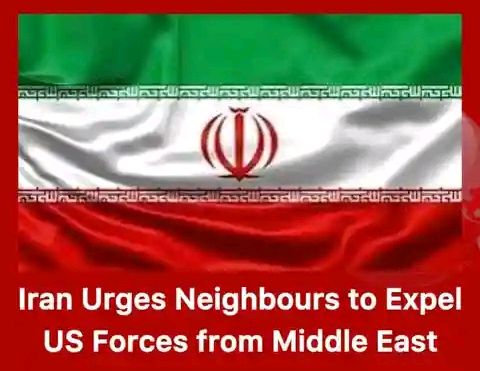
Iran Urges Neighbours to Expel U.S. Forces from the Middle East Introduction
Rising geopolitical tensions in the Middle East have intensified after Abbas Araghchi urged neighboring countries to expel American military forces from their territories. The statement reflects growing confrontation between Iran and the United States and has sparked renewed debate about foreign military presence in the region.
Iran argues that the continued deployment of U.S. troops across the Middle East fuels instability and increases the risk of regional conflict. The call highlights longstanding tensions over security, influence, and sovereignty in one of the world’s most strategically important regions.
Iranian officials have repeatedly criticized the presence of U.S. military bases in the region, claiming that foreign forces undermine regional independence. According to Tehran, security in the Middle East should be managed by local nations rather than external powers.
Foreign Minister Abbas Araghchi emphasized that neighboring countries should reconsider hosting American troops, arguing that the U.S. military footprint increases the likelihood of confrontation with Iran. Tehran believes that removing foreign forces would reduce tensions and allow regional states to develop their own security arrangements.
The United States maintains one of the largest military networks in the region, with bases and troops stationed in several key countries. Major host nations include Bahrain, Qatar, Kuwait, Jordan, and the United Arab Emirates.
One of the most important American installations is Al Udeid Air Base, which serves as a major operational hub for U.S. military activities across the Middle East.
These bases support counterterrorism operations, protect vital trade routes, and strengthen defense partnerships with allied governments. However, Iran views them as strategic tools used by Washington to project power near Iranian borders.
Relations between Iran and the United States have remained strained for years, often involving disputes over sanctions, military actions, and regional influence. The rivalry has also drawn in other actors, including Israel and several Gulf states.
Iran claims that some attacks against its interests have been launched from countries hosting U.S. forces, which increases the risk that those states could become involved in any potential conflict. As a result, Tehran continues to pressure regional governments to reconsider their military partnerships with Washington.
Global Impact: The Importance of the Strait of Hormuz
The situation has broader global implications due to the strategic importance of the Strait of Hormuz. This narrow waterway is one of the world’s most critical oil transit routes, with a significant portion of global energy supplies passing through it every day.
Any escalation in tensions involving Iran could threaten shipping routes, disrupt global oil markets, and increase economic uncertainty worldwide.
Iran’s call for the removal of U.S. forces highlights the ongoing struggle for influence in the Middle East. While Tehran advocates for a region free from foreign military presence, many governments see American security partnerships as essential for maintaining stability and deterring potential threats.
The debate over U.S. troops in the Middle East is likely to remain a key geopolitical issue, shaping diplomatic relations, military strategies, and regional alliances in the years ahead.