
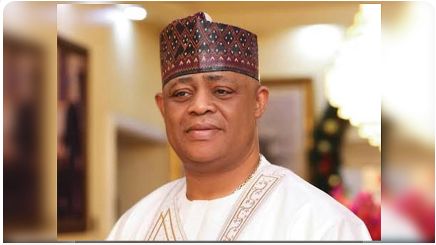
Fani-Kayode Criticizes Dele Momodu Over Tinubu–Abacha Comparison
A political controversy has emerged in Nigeria following remarks by Dele Momodu, a chieftain of the African Democratic Congress (ADC), who compared President Bola Ahmed Tinubu to former military ruler Sani Abacha. The statement has drawn strong criticism from former Aviation Minister Femi Fani-Kayode, intensifying debate around leadership, political rhetoric, and Nigeria’s democratic evolution.
During a televised interview, Dele Momodu reportedly drew parallels between President Tinubu’s leadership style and that of Sani Abacha, one of Nigeria’s most controversial military rulers. The comparison quickly gained traction in political and media circles, sparking mixed reactions from supporters and critics of the current administration.
The Tinubu–Abacha comparison is particularly sensitive given Nigeria’s history of military rule and the widely held perception of Abacha’s regime as authoritarian.
Femi Fani-Kayode responded with a sharply worded statement, condemning Momodu’s remarks as:
Misguided and unfair
Historically inaccurate
Damaging to democratic discourse
He argued that equating a democratically elected president with a former military dictator is inappropriate and undermines Nigeria’s democratic progress.
In a notable aspect of his response, Fani-Kayode urged Dele Momodu to:
Take a break from political commentary
Reflect on his current political stance
Reassess his public statements before further engagement.
Fani-Kayode also used the opportunity to criticize the African Democratic Congress (ADC), describing the party as:
Lacking structure and direction
Politically ineffective.
His remarks reflect broader tensions between Nigeria’s ruling party and opposition groups, particularly as political dynamics begin to shift ahead of future elections.
In defending the current administration, Fani-Kayode maintained that:
Tinubu’s government has made a strong start
Public confidence in the administration is growing
The president’s leadership should be judged within a democratic context, not compared to military regimes
It touches on Nigeria’s transition from military to democratic rule
It raises questions about governance, civil liberties, and leadership style
It influences public perception ahead of future political contests
Such comparisons often evoke strong reactions due to the historical weight associated with military governance in Nigeria.
Political Implications Ahead of 2027
Increasingly sharp political rhetoric in Nigeria
Growing divisions between ruling party supporters and opposition figures
Early positioning and narrative-building ahead of the 2027 general elections
As political actors continue to shape public opinion, statements like these are likely to play a role in defining future electoral debates
The exchange between Femi Fani-Kayode and Dele Momodu underscores the importance of responsible political commentary in Nigeria’s evolving democracy. While criticism remains a vital part of democratic engagement, the tone and historical framing of such criticism can significantly impact public discourse.
As Nigeria moves forward, maintaining a balance between accountability and constructive dialogue will be essential in strengthening its democratic institution