
India’s 60-Day PDS Kerosene Allocation: Strategy to Ease LPG Supply Pressure and Ensure Energy Security
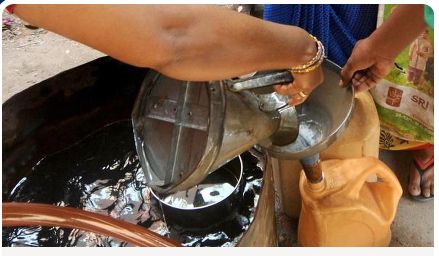
The Government of India has announced a temporary 60-day ad hoc allocation of kerosene under the Public Distribution System (PDS) to support household energy needs. This emergency measure is designed to ease pressure on liquefied petroleum gas (LPG) supplies, ensuring uninterrupted access to cooking fuel during a period of global energy uncertainty.
This development marks a significant, though temporary, shift in India’s fuel management strategy, reintroducing kerosene as a backup energy source.
∆Global Energy Supply Disruptions
Ongoing geopolitical tensions in major oil-producing regions have disrupted global fuel supply chains. These uncertainties have raised concerns about LPG availability and import stability, prompting the government to adopt precautionary measures.
∆Rising LPG Demand and Supply Concerns
Although authorities maintain that there is no immediate LPG shortage, increased demand and panic buying in some regions have put pressure on distribution systems. The kerosene allocation helps reduce dependency on LPG in the short term.
∆Emergency Preparedness Strategy
The move reflects a broader energy security strategy, where alternative fuels are temporarily deployed to stabilize supply. Kerosene, despite being phased out in recent years, remains a readily accessible fallback option.
Key Features of the 60-Day Kerosene Policy
> Temporary (Ad Hoc) Allocation
The kerosene supply is not part of the regular quota but a special emergency provision.
>60-Day Duration
This is a time-bound intervention, clearly indicating a short-term response rather than a long-term policy shift.
>Distribution Through PDS
Kerosene will be distributed via the Public Distribution System, ensuring access for:
Low-income households
Rural communities
Vulnerable populations
>Relaxed Regulations
The government has eased licensing and storage norms to accelerate supply and improve availability.
>Focus on Household Use
The allocation is intended for:
Cooking
Basic lighting needs
How Kerosene Allocation Helps Reduce LPG Pressure
The government’s approach is based on fuel substitution:
Households temporarily using kerosene → Reduced LPG demand
Lower demand → Less strain on LPG supply chains
Stabilized supply → Reduced risk of shortages or price spikes
This makes kerosene a buffer fuel during supply uncertainty.
Impact on Households and Energy Security
Positive Impacts
Ensures continuous access to cooking fuel
Reduces risk of LPG supply disruptions
Supports economically vulnerable households
Potential Challenges
India has long been transitioning toward clean cooking fuels like LPG and natural gas. The reintroduction of kerosene may seem like a step backward, but it is better understood as a short-term resilience strategy.
This policy highlights a critical reality:
In times of crisis, energy systems must rely on both modern and legacy fuel infrastructure.
The 60-day PDS kerosene allocation is a targeted and temporary intervention aimed at reducing LPG supply pressure and enhancing energy security. While it raises environmental and policy concerns, its primary goal is to protect households from potential fuel disruptions.
As global energy markets stabilize, India is expected to continue its transition toward cleaner fuel alternatives. Until then, this measure serves as a pragmatic buffer ensuring stability in household energy access.
