
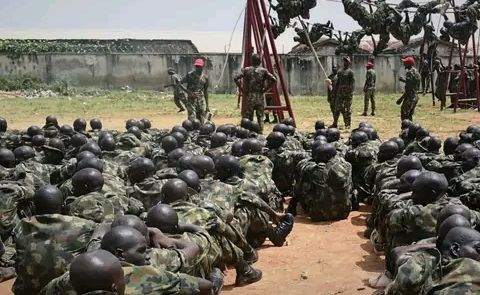
Low Turnout of South-East Youths in Nigerian Military Recruitment Raises Concern
Nigeria is facing growing concern over the low participation of youths from the South-East region in military recruitment exercises. Despite nationwide enlistment drives by the Nigerian Army, data continues to show a significant imbalance, with far fewer applicants from states like Anambra, Imo, Ebonyi, Enugu, and Abia compared to other regions.
This trend has triggered discussions about national unity, equal representation, and the long-term impact on Nigeria’s security architecture.
South-East Military Recruitment in Nigeria: Key Statistics
Recent recruitment data reveals a troubling pattern. While tens of thousands of applications are received nationwide during each intake, South-East states consistently record some of the lowest numbers.
For instance, reports indicate that certain states in the region struggle to produce even a few hundred applicants, in contrast to northern states where applications often run into thousands. This disparity has raised concerns within military leadership, as unfilled regional quotas may lead to underrepresentation.
Understanding the low turn out of South-East youths in Nigerian military recruitment requires examining several underlying factors:
∆ Historical and Cultural Perceptions
The legacy of past national conflicts still shapes how some communities in the South-East perceive military service. For many families, enlistment is not seen as an attractive or secure career path.
∆ Trust Deficit in Federal Institutions
There is a lingering belief among some youths that opportunities within federal structures, including the military, may not always be equitable. This perception discourages participation.
∆ Security Risks and Fear of Deployment
With Nigeria battling insurgency, banditry, and other security challenges, many young people are reluctant to join a profession associated with high-risk assignments.
∆ Preference for Entrepreneurship and Private Sector Jobs
The South-East is widely known for its strong entrepreneurial culture. Many youths prefer business, trade, or tech-driven careers over military service.
The imbalance in military recruitment across regions could have far-reaching consequences. A diverse and inclusive armed force is essential for:
Strengthening national unity
Building trust between citizens and the military
Enhancing operational effectiveness across regions
When a region is underrepresented, it may weaken the sense of belonging and shared responsibility in national defense.
Efforts to Boost South-East Youth Participation
The Nigerian Army has stepped up awareness campaigns in the South-East, engaging community leaders, traditional rulers, and youth organizations.
These initiatives aim to:
Correct misconceptions about military life
Encourage equal participation
Ensure that all regions benefit from recruitment opportunities
Officials continue to emphasize that enlistment is open, transparent, and based on merit.
The Way Forward
To address the low turnout of South-East youths in military recruitment, experts recommend:
Building trust through consistent engagement and transparency
Ensuring fairness in recruitment and promotions
Providing better welfare packages for military personnel
Promoting awareness of career growth opportunities in the armed forces
The low enlistment of South-East youths into Nigeria’s military is a critical issue that goes beyond recruitment numbers. It reflects deeper socio-economic and political concerns that require urgent attention.
For Nigeria to build a stronger, more inclusive armed force, all regions must be adequately represented. Bridging this gap will not only improve military effectiveness but also reinforce national unity in the face of evolving security challenges.
