
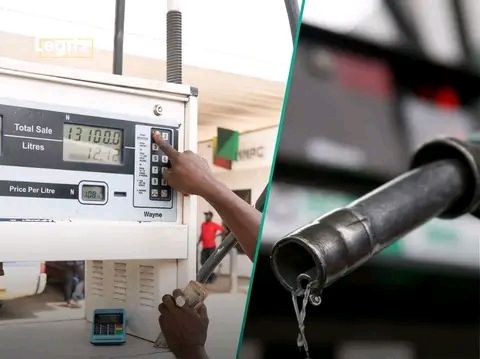
New Petrol Prices at NNPC Stations: What It Means for Nigerians
Nigerians are set to face fresh adjustments in the pump price of petrol at outlets operated by the Nigerian National Petroleum Company Limited, with variations already emerging across different states. The development signals yet another shift in the country’s downstream petroleum sector, raising concerns about affordability, inflation, and regional disparities in fuel access.
Reports indicate that the new petrol prices are not uniform nationwide. Residents in certain states—particularly those farther from major supply hubs—are paying higher rates compared to others. This disparity is largely influenced by transportation costs, logistics challenges, and local supply dynamics.
In major urban centres like Lagos and Abuja, prices may remain relatively moderated due to better infrastructure and proximity to distribution channels. However, in more remote or underserved areas, consumers are already experiencing noticeable increases at the pump.
Several factors are contributing to the latest petrol price changes:
∆. Deregulation of the Downstream Sector
Following the removal of fuel subsidies, petrol pricing in Nigeria has become largely market-driven. This means pump prices are now influenced by global crude oil prices, exchange rates, and importation costs rather than fixed government rates.
∆ Exchange Rate Pressures
The depreciation of the naira continues to have a direct impact on fuel pricing. Since petrol imports are largely denominated in foreign currency, fluctuations in exchange rates significantly affect landing costs.
∆ Distribution and Logistics Costs
Transportation expenses—especially to inland states—add to the final retail price. Poor road networks and security challenges in some regions further increase these costs.
∆ Supply Chain Constraints
Occasional disruptions in supply, whether due to import delays or infrastructure bottlenecks, can create localized scarcity, pushing prices upward.
The increase in petrol prices is expected to have a ripple effect across the economy. Transportation fares are likely to rise, leading to higher costs for goods and services. Small businesses, many of which rely on petrol-powered generators due to inconsistent electricity supply, may also face increased operating expenses.
For households, the impact is immediate and tangible—higher commuting costs, increased food prices, and reduced disposable income.
Many Nigerians have expressed frustration over the persistent rise in fuel prices, especially given the broader economic challenges such as inflation and unemployment. There are growing calls for government intervention to stabilize prices or provide targeted relief measures for vulnerable populations.
Authorities have maintained that deregulation is essential for long-term sustainability in the oil sector. The government has also emphasized efforts to boost local refining capacity, including the anticipated impact of facilities like the Dangote Refinery, which could reduce reliance on imports and help stabilize prices over time.
While the current price adjustments may pose short-term challenges, industry experts suggest that increased competition, improved refining capacity, and better distribution networks could eventually lead to more stable pricing.
For now, Nigerians must brace for continued fluctuations in petrol costs as the market adjusts to the realities of a deregulated fuel economy.
