
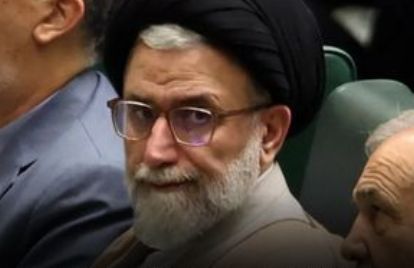
Iran Intelligence Minister Esmail Khatib Killed: Iran Confirms Assassination Amid Rising Israel-Iran Tensions
Iran Intelligence Minister Esmail Khatib Killed: Iran Confirms Assassination Amid Rising Israel-
Iran has officially confirmed the death of its Intelligence Minister, , in what authorities describe as an “assassination.” The announcement was made by , signaling a major development in the rapidly escalating tensions in the Middle East.
Khatib’s death marks one of the most significant losses within Iran’s leadership in recent years, raising concerns about regional stability and the possibility of further retaliation.
According to multiple international reports, the attack that killed Khatib is widely believed to have been carried out by as part of a targeted operation. While official confirmation from Israel remains limited, the country has previously acknowledged efforts to counter Iranian military and intelligence activities.
The strike reportedly took place in , a development that has intensified concerns about the security of top Iranian officials.
He served as Iran’s Minister of Intelligence since 2021. He played a critical role in overseeing:
National intelligence operations
Counterintelligence and internal security
Coordination with regional allies
As one of the most powerful figures in Iran’s security apparatus, his assassination represents both a symbolic and operational blow to the country.
Khatib’s killing is not an isolated incident. It comes amid a broader wave of attacks targeting senior Iranian officials, pointing to a coordinated escalation in the shadow conflict between and .
Security analysts warn that the situation is evolving quickly, with increasing risks of:
Direct military confrontation
Cyber warfare escalation
Proxy conflicts across the region
The death of a sitting intelligence minister is a rare and highly provocative event. Iran is expected to respond, though the form and timing remain uncertain. Possible responses include:
Asymmetric operations through allied groups
Cyberattacks targeting strategic infrastructure
Diplomatic escalation at international forums
The international community is closely monitoring developments as fears grow over a broader regional conflict.
The confirmed killing of marks a turning point in Middle Eastern geopolitics. With and already engaged in a prolonged shadow conflict, this event could accelerate a shift toward more direct and visible confrontation.
As the situation continues to unfold, global attention remains fixed on how both nations will respond—and whether this incident will trigger a wider crisis.